
Effective Vendor Risk Assessment and Monitoring Strategies
Learn essential strategies for vendor risk assessment and monitoring to enhance compliance and security in regulated industries.
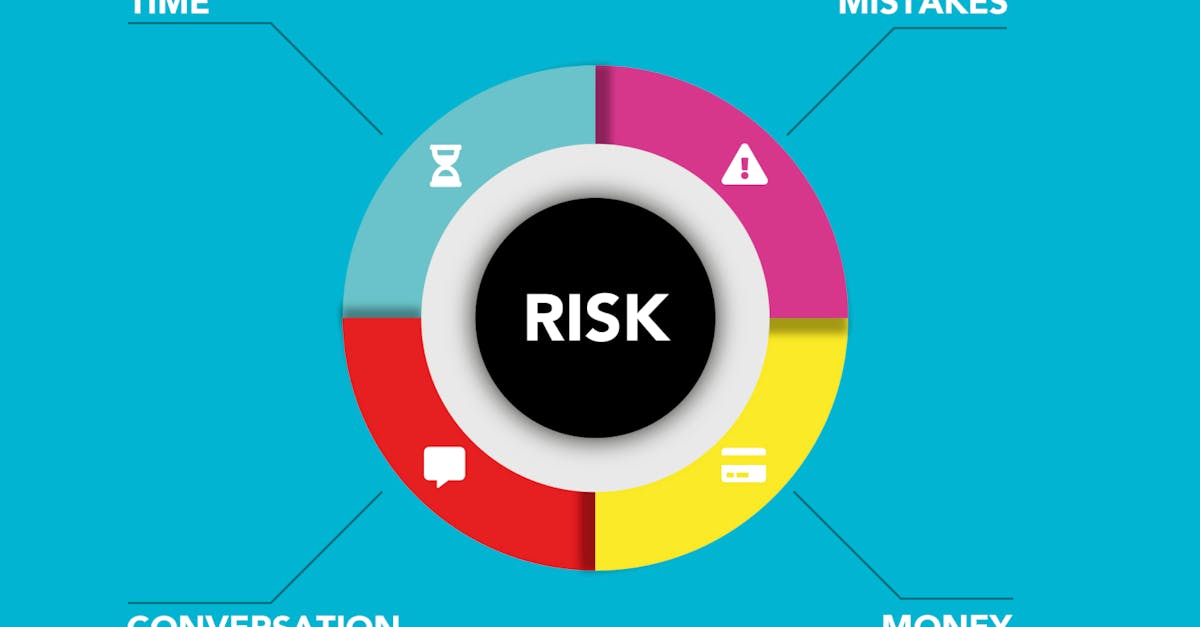
Vendor risk assessment and monitoring have become critical components of enterprise risk management, especially for organizations operating in regulated industries such as banking, healthcare, and insurance. As businesses increasingly rely on third-party vendors for various services, the potential risks associated with these partnerships can significantly impact compliance and security. This article delves into the key strategies for effective vendor risk assessment and monitoring.
Understanding Vendor Risk
Vendor risk refers to the potential threats and vulnerabilities that arise from engaging with third-party service providers. These risks can include data breaches, compliance failures, operational disruptions, and reputational damage.
Organizations must recognize that vendor risks are multifaceted and can stem from various sources, including:
-
Data Security: The potential for unauthorized access to sensitive information.
-
Regulatory Compliance: The risk of vendors failing to meet industry-specific regulations, such as GDPR or PCI DSS.
-
Operational Risks: Disruptions caused by vendor non-performance or failure to deliver services.
By understanding these risks, organizations can develop a robust framework for assessing and monitoring their vendors effectively.
Frameworks for Vendor Risk Assessment
Several frameworks provide guidance on conducting vendor risk assessments. These frameworks help organizations systematically evaluate vendors based on risk and compliance factors.
Common Frameworks to Consider
-
NIST Cybersecurity Framework: Focuses on identifying, protecting, detecting, responding to, and recovering from cybersecurity incidents.
-
ISO 27001: Provides a systematic approach to managing sensitive company information, ensuring its confidentiality, integrity, and availability.
-
COBIT: Offers a framework for developing, implementing, monitoring, and improving IT governance and management practices.
Key Elements of a Vendor Risk Assessment Framework
An effective vendor risk assessment framework should include the following components:
-
Risk Identification: Identify and categorize potential risks associated with each vendor.
-
Risk Analysis: Evaluate the likelihood and impact of identified risks.
-
Risk Mitigation: Develop strategies to minimize or eliminate risks, including contractual obligations and regular audits.
-
Risk Monitoring: Establish ongoing monitoring procedures to ensure vendors maintain compliance and security standards.
The Vendor Risk Assessment Process
Conducting a thorough vendor risk assessment involves multiple steps, each designed to identify and mitigate risks effectively.
Steps in the Vendor Risk Assessment Process
-
Vendor Identification: Compile a list of all third-party vendors and categorize them based on the services they provide.
-
Initial Risk Assessment: Conduct a preliminary risk assessment for each vendor to determine their potential impact on the organization.
-
Due Diligence: Perform comprehensive due diligence, including reviewing financial stability, security practices, and compliance history.
-
Risk Evaluation: Assess the results of due diligence against predefined risk criteria to identify high-risk vendors.
-
Mitigation Strategies: Develop and implement strategies to mitigate identified risks, such as enhanced monitoring or contract stipulations.
-
Documentation and Reporting: Maintain detailed records of assessments, findings, and actions taken to support compliance and audit requirements.
Continuous Monitoring of Vendor Risks
Vendor risk assessment is not a one-time task; it requires ongoing monitoring to ensure continued compliance and risk mitigation. Continuous monitoring helps organizations identify emerging risks and respond proactively.
Strategies for Continuous Monitoring
-
Regular Audits: Schedule periodic audits of vendor practices to ensure adherence to security and compliance standards.
-
Performance Metrics: Establish key performance indicators (KPIs) to measure vendor performance and risk levels.
-
Threat Intelligence: Utilize threat intelligence tools to monitor external risks that could impact vendors and, subsequently, the organization.
-
Feedback Mechanisms: Implement mechanisms for stakeholders to report concerns or issues related to vendor performance or compliance.
Comparison of Vendor Monitoring Tools
| Feature | Tool A | Tool B | Tool C |
|---|---|---|---|
| Risk Assessment Capabilities | Yes | Yes | No |
| Continuous Monitoring | Yes | No | Yes |
| Compliance Reporting | Yes | Yes | Yes |
| User-Friendly Interface | Yes | Yes | No |
| Integration Options | API, CSV | API | CSV |
Conclusion
The landscape of vendor management is continually evolving, and organizations must adapt their risk assessment and monitoring strategies accordingly. By implementing a comprehensive vendor risk assessment framework and adopting continuous monitoring practices, organizations can enhance their overall compliance and security posture. In doing so, they not only protect their interests but also foster trust and collaboration with their third-party vendors.
Key takeaways
-
Vendor risk involves potential threats from third-party service providers.
-
Effective frameworks like NIST and ISO 27001 guide vendor risk assessments.
-
A systematic vendor risk assessment process includes identification, analysis, and mitigation.
-
Continuous monitoring is essential for maintaining compliance and security standards.
-
Regular audits and performance metrics are key strategies for effective vendor monitoring.
Ready to operationalize your compliance program?
ComplianceHQ unifies your regulations, controls, evidence, risks and audits — powered by AI. Start free or book a personalized demo.