
Comprehensive Guide to Market Risk Management Frameworks
Explore essential market risk management frameworks and strategies for effective risk mitigation in financial services.
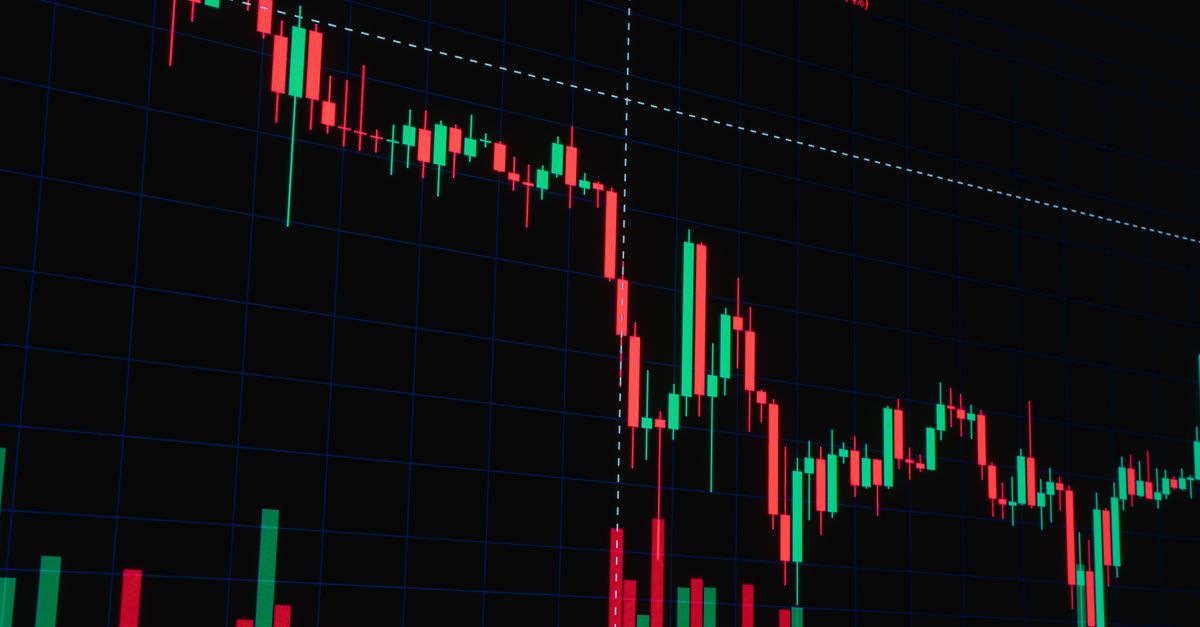
Market risk management is crucial for financial institutions, especially in environments characterized by volatility and uncertainty. Understanding and implementing effective market risk management frameworks can help organizations identify, assess, and mitigate risks associated with market movements. This guide provides an overview of essential market risk management frameworks, their significance, and best practices for implementation.
Understanding Market Risk
Market risk refers to the potential for financial losses due to fluctuations in market prices, including stocks, bonds, currencies, and commodities. It can arise from various factors, such as economic changes, political events, and shifts in investor sentiment.
Organizations within regulated industries, including banking, insurance, and investment firms, must prioritize market risk management to ensure compliance with regulatory standards and protect their financial stability.
Key Market Risk Management Frameworks
There are several established frameworks that guide market risk management practices. Understanding these frameworks is critical for organizations seeking to enhance their risk management strategies.
1. Basel III Framework
The Basel III Framework is a global regulatory standard introduced by the Basel Committee on Banking Supervision. It aims to strengthen the regulation, supervision, and risk management of banks.
- Label: Core principles for effective risk management.
- Label: Minimum capital requirements to mitigate risks.
- Label: Risk management enhancements focusing on liquidity and leverage ratios.
This framework emphasizes the importance of maintaining sufficient capital reserves to absorb potential losses, thus enhancing the stability of the banking sector.
2. Value at Risk (VaR)
Value at Risk (VaR) is a widely used risk management tool that quantifies the potential loss an investment portfolio could face over a specified period at a given confidence level.
- Label: Provides a statistical measure of risk exposure.
- Label: Helps in setting risk limits for trading activities.
- Label: Useful for regulatory reporting and compliance.
VaR calculations can be performed using various methods, including historical simulation, variance-covariance, and Monte Carlo simulation. Each method has its advantages and limitations.
3. Stress Testing and Scenario Analysis
Stress testing and scenario analysis are vital components of market risk management. These techniques help organizations evaluate how their portfolios would perform under extreme market conditions.
- Label: Identifies vulnerabilities in risk exposure.
- Label: Assesses the impact of adverse market events.
- Label: Supports regulatory compliance and internal decision-making.
Regular stress testing can improve an organization's ability to respond to potential market shocks and enhance overall risk resilience.
Best Practices for Implementing Market Risk Management Frameworks
To effectively implement a market risk management framework, organizations should consider the following best practices:
-
Establish a Risk Management Culture: Foster a culture where risk management is prioritized across all levels of the organization.
-
Integrate Risk Management into Business Processes: Ensure that risk management practices are embedded in business decision-making processes.
-
Leverage Technology: Utilize advanced analytics and AI-powered solutions to enhance risk assessment and monitoring.
-
Continuous Monitoring and Reporting: Regularly review risk exposure and provide timely reporting to stakeholders.
-
Training and Development: Invest in training programs to ensure staff are equipped with the necessary skills to manage market risks effectively.
Comparison of Market Risk Management Frameworks
| Framework | Key Focus | Use Case | Regulatory Requirement |
|---|---|---|---|
| Basel III | Capital adequacy | Banking sector | Yes |
| Value at Risk (VaR) | Portfolio risk quantification | Investment portfolios | Yes (for financial disclosures) |
| Stress Testing | Impact of adverse scenarios | Financial stability assessments | Yes (for systemic risk assessments) |
Each framework serves a unique purpose and can be utilized in conjunction with others to create a comprehensive market risk management strategy.
Regulatory Considerations
Organizations must navigate various regulatory requirements when developing their market risk management frameworks. Key regulations include:
-
Reserve Bank of India (RBI) Guidelines: Mandates for banks and non-banking financial companies (NBFCs) regarding capital adequacy and risk management practices.
-
Securities and Exchange Board of India (SEBI) Regulations: Compliance requirements for investment firms, focusing on market risk disclosures and governance.
-
International Financial Reporting Standards (IFRS): Guidelines for financial reporting that encompass risk assessment practices, including market risk disclosures.
Key takeaways
-
A robust market risk management framework is essential for safeguarding financial stability.
-
Established frameworks like Basel III, VaR, and stress testing provide structured approaches to managing risks.
-
Best practices include integrating risk management into organizational culture and leveraging technology for better insights.
-
Regulatory compliance plays a crucial role in shaping market risk management strategies in financial services.
-
Continuous monitoring and effective reporting are vital for maintaining risk awareness and resilience.
Ready to operationalize your compliance program?
ComplianceHQ unifies your regulations, controls, evidence, risks and audits — powered by AI. Start free or book a personalized demo.