
Enhancing Credit Risk Management with Monitoring Dashboards
Explore how credit review and monitoring dashboards can transform risk management for financial institutions.
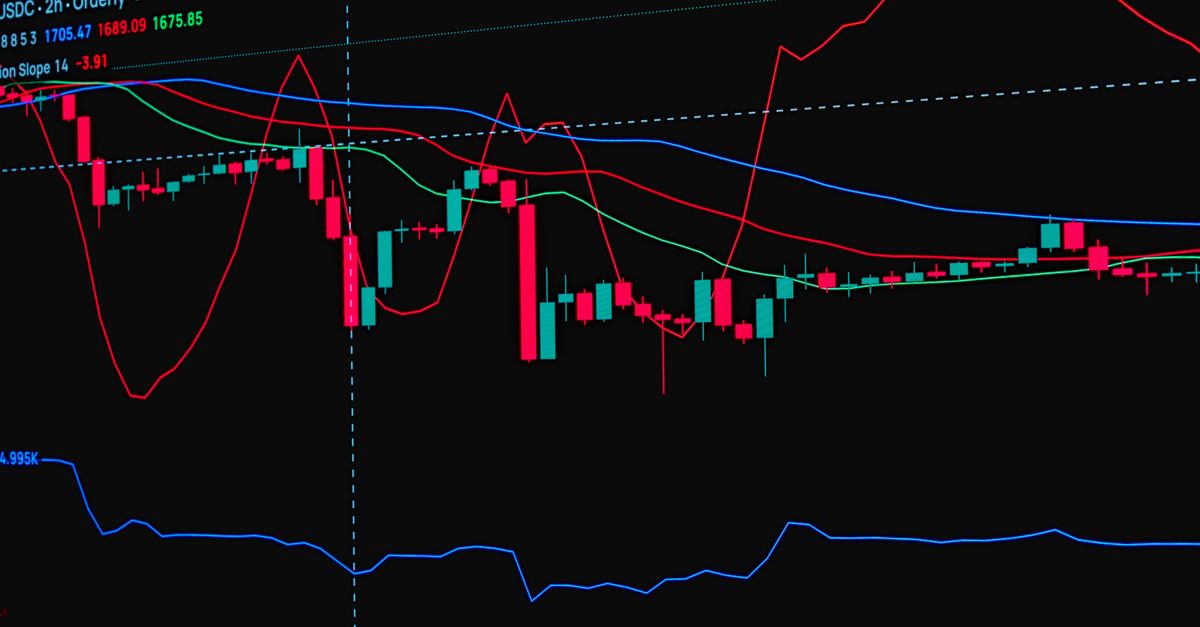
In today’s rapidly evolving financial landscape, effective credit risk management has become paramount for institutions such as banks, non-banking financial companies (NBFCs), insurance firms, and more. A well-structured credit review and monitoring dashboard provides organizations with the insights needed to mitigate risks, enhance decision-making, and comply with various regulatory frameworks. This post will discuss the significance of these dashboards and how they can be implemented effectively.
Understanding Credit Risk Management
Credit risk management involves identifying, assessing, and mitigating risks associated with lending activities. Financial institutions face various challenges, including defaults, late payments, and economic downturns. To address these challenges, organizations must adopt a proactive approach to monitor their credit portfolios continuously.
A credit review and monitoring dashboard plays a crucial role by consolidating data from multiple sources, providing a comprehensive view of the credit landscape. This enables organizations to make informed decisions and act quickly to mitigate potential risks.
Importance of Credit Review Dashboards
Credit review dashboards serve multiple purposes in risk management, including:
-
Real-time monitoring: Dashboards provide up-to-the-minute data, allowing organizations to track credit exposure and identify trends.
-
Risk assessment: They enable risk managers to evaluate the creditworthiness of borrowers and the potential impact on the portfolio.
-
Regulatory compliance: Dashboards help organizations adhere to various regulations, such as Basel III and IRDAI guidelines, by providing necessary insights and documenting compliance efforts.
-
Enhanced decision-making: By presenting data visually, dashboards allow stakeholders to make informed decisions quickly, reducing the time needed to respond to credit issues.
Key Features of an Effective Credit Monitoring Dashboard
An effective credit monitoring dashboard should include the following key features:
-
Dynamic data visualization: Interactive graphs and charts help users understand complex data at a glance.
-
Customizable views: Users can tailor the dashboard to display metrics relevant to their specific roles.
-
Alerts and notifications: Automated alerts for significant changes in credit metrics can help organizations respond promptly to emerging risks.
-
Integration capabilities: The dashboard should integrate seamlessly with existing systems, such as CRM and ERP platforms, to provide a unified view of data.
-
Historical data tracking: Monitoring changes over time allows organizations to identify trends and patterns in credit risk.
Implementing a Credit Review Dashboard
Implementing a credit review and monitoring dashboard involves several steps:
-
Define objectives: Clearly outline the goals for the dashboard, such as tracking loan performance or monitoring borrower credit scores.
-
Identify key performance indicators (KPIs): Determine which metrics are essential for assessing credit risk, such as default rates, recovery rates, and concentration risks.
-
Choose the right technology: Select a platform that meets the organization’s needs, considering factors such as user-friendliness, integration capabilities, and scalability.
-
Data integration: Ensure that the dashboard can pull data from various sources, such as credit bureaus, internal databases, and external financial systems.
-
User training: Provide training for end-users to ensure they can navigate and utilize the dashboard effectively.
-
Continuous improvement: Regularly update the dashboard based on user feedback and evolving regulatory requirements.
Comparison of Popular Credit Monitoring Dashboard Tools
When selecting a credit monitoring dashboard, organizations should consider various tools available in the market. The table below highlights some popular options and their features:
| Tool Name | Key Features | Integration Options | Pricing Model |
|---|---|---|---|
| Tool A | Customizable dashboards | CRM, ERP, API | Subscription-based |
| Tool B | Real-time data analytics | Financial systems, BI tools | Pay-per-use |
| Tool C | Automated alerts and notifications | Custom integrations | License-based |
Selecting the right tool depends on the organization’s specific needs and budget. Each tool offers unique features that can enhance credit risk management.
Regulatory Considerations
Compliance with regulatory frameworks is critical for financial institutions. Some key regulations to consider include:
-
Basel III: Sets out global standards for bank capital adequacy, stress testing, and market liquidity risk.
-
RBI Guidelines: The Reserve Bank of India provides directives for credit risk management practices for banks and NBFCs.
-
IRDAI Regulations: The Insurance Regulatory and Development Authority of India mandates guidelines for managing credit risk in insurance companies.
These regulations necessitate accurate reporting and monitoring of credit risk, making dashboards an essential tool for compliance.
Key takeaways
-
A credit review and monitoring dashboard is essential for effective credit risk management in financial institutions.
-
Key features include dynamic data visualization, customizable views, and integration capabilities.
-
Implementing a dashboard involves defining objectives, selecting KPIs, and training users.
-
Regulatory compliance is a critical aspect of credit risk management; dashboards help meet these requirements.
-
Choosing the right dashboard tool depends on specific organizational needs and features offered.
Ready to operationalize your compliance program?
ComplianceHQ unifies your regulations, controls, evidence, risks and audits — powered by AI. Start free or book a personalized demo.