
Streamline Multi-Framework Compliance Management with Tools
Explore essential compliance tools for effective management across various frameworks, enhancing efficiency, and reducing risks in regulated industries.
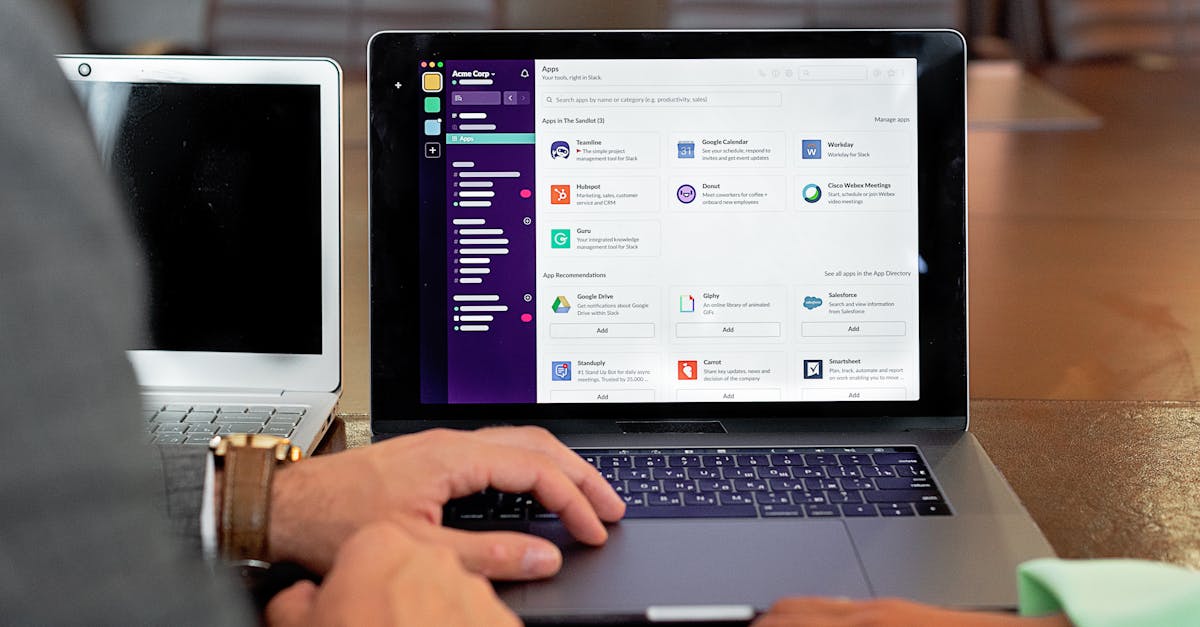
Effective compliance management is crucial for enterprises navigating multiple regulatory frameworks. As organizations expand globally, they encounter various regulatory bodies and standards. This blog explores essential compliance tools that streamline multi-framework compliance management, enhancing operational efficiency while minimizing risks.
Importance of Multi-Framework Compliance Management
In industries such as banking, healthcare, and manufacturing, compliance with multiple frameworks is not just a regulatory requirement but a business imperative. Each framework, including ISO 27001, GDPR, and PCI-DSS, comes with specific requirements that organizations must adhere to.
Managing these diverse regulations can be overwhelming without the right tools. Multi-framework compliance management ensures that organizations can:
- Enhance operational efficiency by automating compliance processes.
- Minimize risks associated with non-compliance, which can lead to penalties and reputational damage.
- Foster a culture of transparency and accountability within the organization.
Types of Compliance Tools
There is a variety of compliance tools designed to assist organizations in managing their compliance obligations effectively. Here are some of the key types:
-
Compliance Management Software: These platforms provide a centralized hub for documentation, tracking, and reporting compliance activities across different frameworks.
-
Risk Assessment Tools: These tools help identify, evaluate, and prioritize risks associated with compliance, allowing organizations to implement appropriate mitigation strategies.
-
Audit Management Solutions: Designed to streamline the auditing process, these tools facilitate scheduling, conducting, and reporting audits for multiple frameworks.
-
Training and Awareness Platforms: Employee training is critical for compliance. Platforms that offer training modules tailored to specific frameworks can enhance awareness and adherence.
Features to Look for in Compliance Tools
When selecting compliance tools, organizations should consider the following features:
-
Integration Capabilities: The ability to integrate with existing systems and processes is crucial to ensure seamless operations.
-
Automation Features: Automation can significantly reduce manual effort, improving efficiency and accuracy. Look for tools that offer workflow automation for compliance tasks.
-
Reporting and Analytics: Robust reporting features can provide insights into compliance status across different frameworks, aiding in decision-making.
-
User-Friendly Interface: A simple, intuitive interface encourages use and reduces the learning curve for employees.
Comparison of Popular Compliance Tools
The following table compares some popular compliance tools available in the market:
| Tool Name | Key Features | Best For | Pricing Model |
|---|---|---|---|
| ComplianceHQ | Multi-framework support, automation, analytics | Large enterprises | Subscription-based |
| ZenGRC | Risk management, audit management | Mid-sized companies | Tiered pricing |
| LogicGate | Customizable workflows, integrations | Startups & SMEs | Usage-based |
| GRC Cloud | Cloud-based, reporting, training modules | All sizes | Subscription-based |
Implementing Compliance Tools Effectively
To maximize the benefits of compliance tools, organizations should adopt a structured implementation approach:
-
Assess Needs: Identify specific compliance requirements and choose tools that align with those needs.
-
Train Staff: Ensure that employees are trained on how to use the tools effectively to drive compliance initiatives.
-
Monitor Progress: Regularly evaluate the effectiveness of the tools and make adjustments as necessary.
-
Engage Stakeholders: Involve key stakeholders in the selection and implementation process to ensure buy-in and support.
-
Stay Updated: Compliance requirements change frequently. Choose tools that provide updates to stay compliant with new regulations.
Key takeaways
-
Multi-framework compliance management is vital for organizations in regulated industries.
-
Compliance tools enhance operational efficiency and reduce risks associated with non-compliance.
-
Key types of compliance tools include management software, risk assessment, audit management, and training platforms.
-
When selecting compliance tools, focus on integration, automation, reporting, and user-friendliness.
-
A structured implementation approach helps maximize the benefits of compliance tools.
Ready to operationalize your compliance program?
ComplianceHQ unifies your regulations, controls, evidence, risks and audits — powered by AI. Start free or book a personalized demo.