
Choosing the Best Compliance Management Software in India
Explore essential factors for selecting compliance management software in India, tailored for regulated enterprises across various sectors.
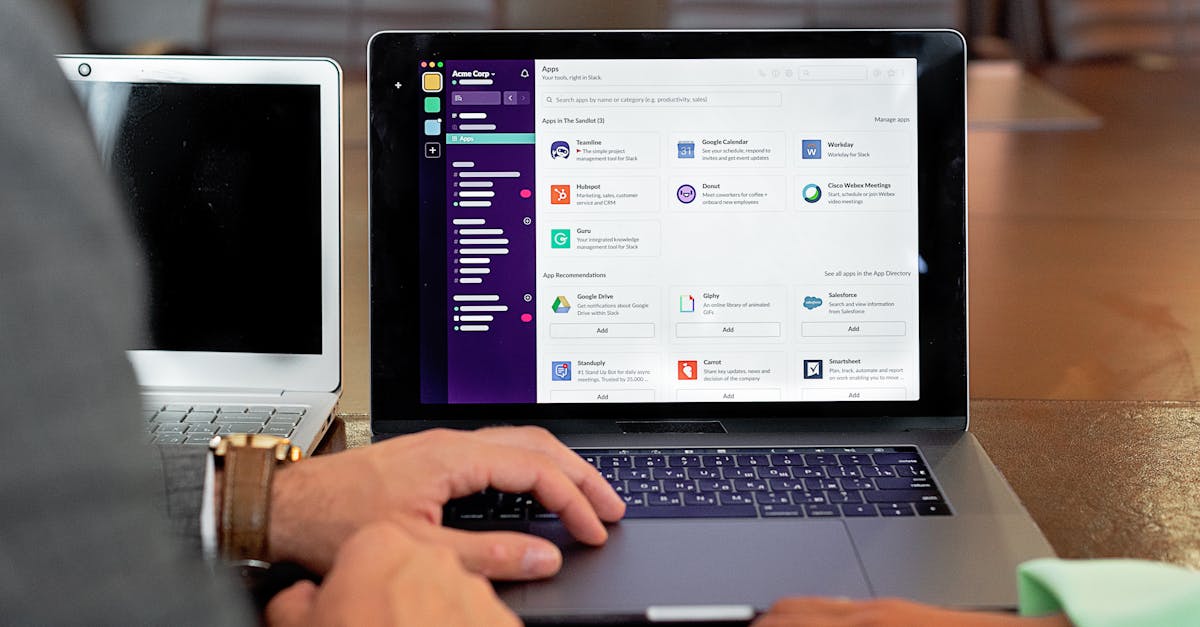
Choosing the right compliance management software is crucial for enterprises in India, especially those operating in regulated sectors. With the growth of regulatory requirements, organizations must ensure that they meet compliance obligations efficiently and effectively.
Understanding Compliance Management Software
Compliance management software is a tool that helps organizations manage their compliance obligations by automating processes, tracking regulations, and ensuring adherence to standards. This software is essential for organizations in sectors such as banking, insurance, healthcare, and manufacturing, where compliance is critical to operations and reputation.
The software typically includes features for risk assessment, audit management, policy management, and reporting. By utilizing compliance management software, enterprises can streamline their processes, reduce human error, and maintain a robust compliance posture.
Essential Features to Look For
When evaluating compliance management software, it's important to consider several key features that can enhance your compliance efforts.
-
Regulatory Tracking: The software should be able to track changes in regulations relevant to your industry, such as those from SEBI, IRDAI, or RBI in India.
-
Automated Reporting: Look for features that allow for automated generation of compliance reports, making it easier to demonstrate compliance to regulatory bodies.
-
Risk Assessment Tools: Effective software includes tools for assessing and managing compliance risks, helping organizations identify potential issues before they escalate.
-
User-Friendly Interface: A software solution with an intuitive interface ensures that team members can easily navigate and utilize its features without extensive training.
-
Integration Capabilities: The ability to integrate with existing systems, such as ERP or CRM software, can enhance efficiency and data accuracy.
Evaluating Vendors and Solutions
Selecting the right vendor is just as important as choosing the software itself. Consider the following criteria when evaluating potential vendors:
-
Industry Expertise: Ensure the vendor has experience in your specific industry, as compliance needs can vary significantly between sectors.
-
Customer Support: Assess the level of support provided by the vendor, including training, troubleshooting, and ongoing maintenance.
-
Scalability: The software should be scalable to accommodate your organization’s growth and evolving compliance requirements.
-
Reputation and Reviews: Research the vendor’s reputation in the market by reading reviews and case studies from similar organizations.
Comparing Software Solutions
Creating a comparison of different compliance management software solutions can help streamline your decision-making process. Below is a comparison table of popular compliance software solutions tailored for regulated enterprises in India:
| Feature | Software A | Software B | Software C |
|---|---|---|---|
| Regulatory Tracking | Yes | Yes | No |
| Automated Reporting | Yes | Yes | Yes |
| Risk Assessment Tools | Yes | No | Yes |
| User-Friendly Interface | Moderate | High | High |
| Integration Capabilities | High | Moderate | Low |
Cost Considerations
Cost is often a deciding factor when choosing compliance management software. Understanding the pricing models can help you make an informed decision:
-
Subscription-Based: Monthly or annual fees, which can be budget-friendly, especially for smaller organizations.
-
Perpetual Licensing: One-time purchase costs but may require ongoing maintenance fees.
-
Custom Pricing: Some vendors offer tailored pricing based on your organization’s needs and number of users.
When evaluating costs, consider not only the software price but also the potential return on investment in terms of reduced compliance risks and increased efficiency.
Implementing the Software
Once you have selected the appropriate compliance management software, the implementation phase begins. Successful implementation can significantly affect the software's effectiveness in your organization:
-
Training: Ensure that all relevant employees are trained on how to use the software effectively, focusing on specific features that relate to their roles.
-
Customization: Take advantage of customization options to tailor the software to your organization’s specific compliance needs and workflows.
-
Continuous Monitoring: Regularly assess the software’s performance and update processes to ensure it continues to meet your compliance requirements.
Implementing these strategies will foster a culture of compliance within your organization and maximize the benefits of the software.
Key takeaways
-
Understand the essential features of compliance management software, such as regulatory tracking and automated reporting.
-
Evaluate vendors based on industry expertise, customer support, and scalability.
-
Use comparison tables to assess different software solutions effectively.
-
Consider various pricing models and calculate potential ROI.
-
Ensure thorough training and customization during the implementation stage to maximize software effectiveness.
Ready to operationalize your compliance program?
ComplianceHQ unifies your regulations, controls, evidence, risks and audits — powered by AI. Start free or book a personalized demo.